For the GreenGrocer project we have assembled an Advisory Group to keep a steady dialogue between project partners and stakeholders in industry, regulatory bodies, policy makers, consumers, and other researchers.
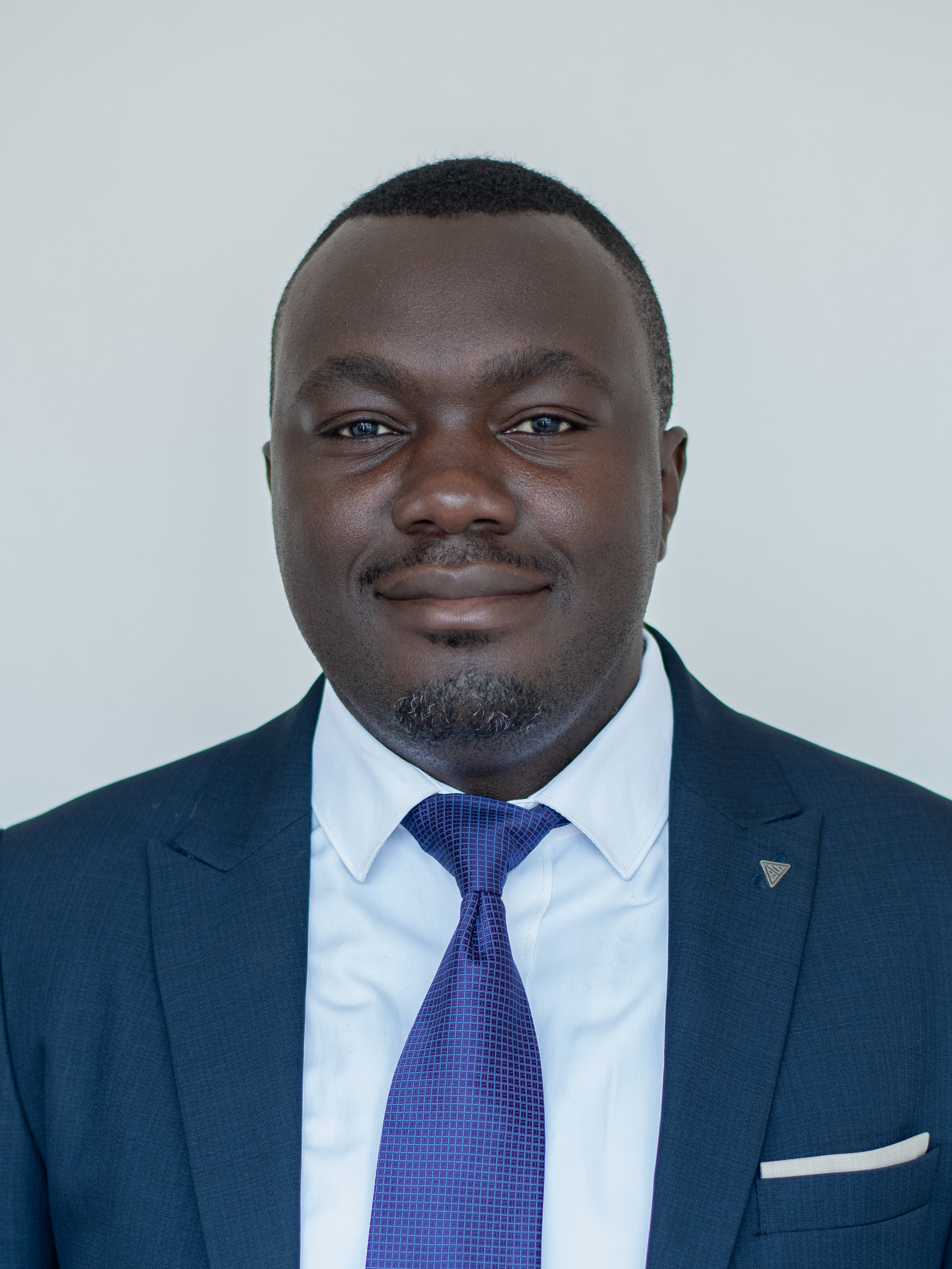
Alex Amanya
Alex Amanya is the Country Manager for Solidaridad East & Central Africa in Uganda, with over a decade of experience in sustainable agricultural supply chains across the Global South, including coffee, tea, cocoa, and palm oil. He leads multi-stakeholder programmes that integrate climate resilience, sustainable production, and market-based solutions, with a strong focus on smallholder farmer integrated food systems. He works closely with governments, private sector actors, and farming communities to drive inclusive and scalable impact.
Alex has strong expertise in project design, business development, and monitoring and evaluation, particularly in climate-smart agriculture, carbon markets, and sustainability standards. His work contributes to improving transparency, data systems, and evidence-based decision-making in food systems, aligning with global and EU sustainability frameworks.
He holds a Master of Business Administration from Uganda Management Institute and a Bachelor of Science in Food Science and Technology from Makerere University, is a certified Cool Farm Advisor, and is currently pursuing a PhD in Natural Resources Management.
Serenella Sala
Serenella Sala is an environmental scientist, holding a PhD in Ecotoxicology and Applied Ecology. She is the Head of the Sustainable Supply Chains and Bioeconomy Unit of the Directorate D- Sustainable Resources at the Joint Research Centre (JRC) of the European Commission. The Unit deals with the assessment at macro and micro scales of biotic and abiotic natural resources, the modelling of production and consumption systems and the transition towards bioeconomy and circular economy. Several models and studied developed by her team over time addressed specifically the EU food system, e.g. with modelling resources input and food waste flows, assessing environmental impacts, and providing input to the consumption footprint indicators, which are also listed as official indicators for EU food monitoring system. As a scientist, her research activities have been always focused on sustainability assessment of supply chains, adopting Life Cycle Assessment as reference methodology to support policies and decision-making. She published more than 120 papers in peer-reviewed journals and acts as Senior Editor for scientific journals like Green Chemistry and Integrated Environmental Assessment and Management.
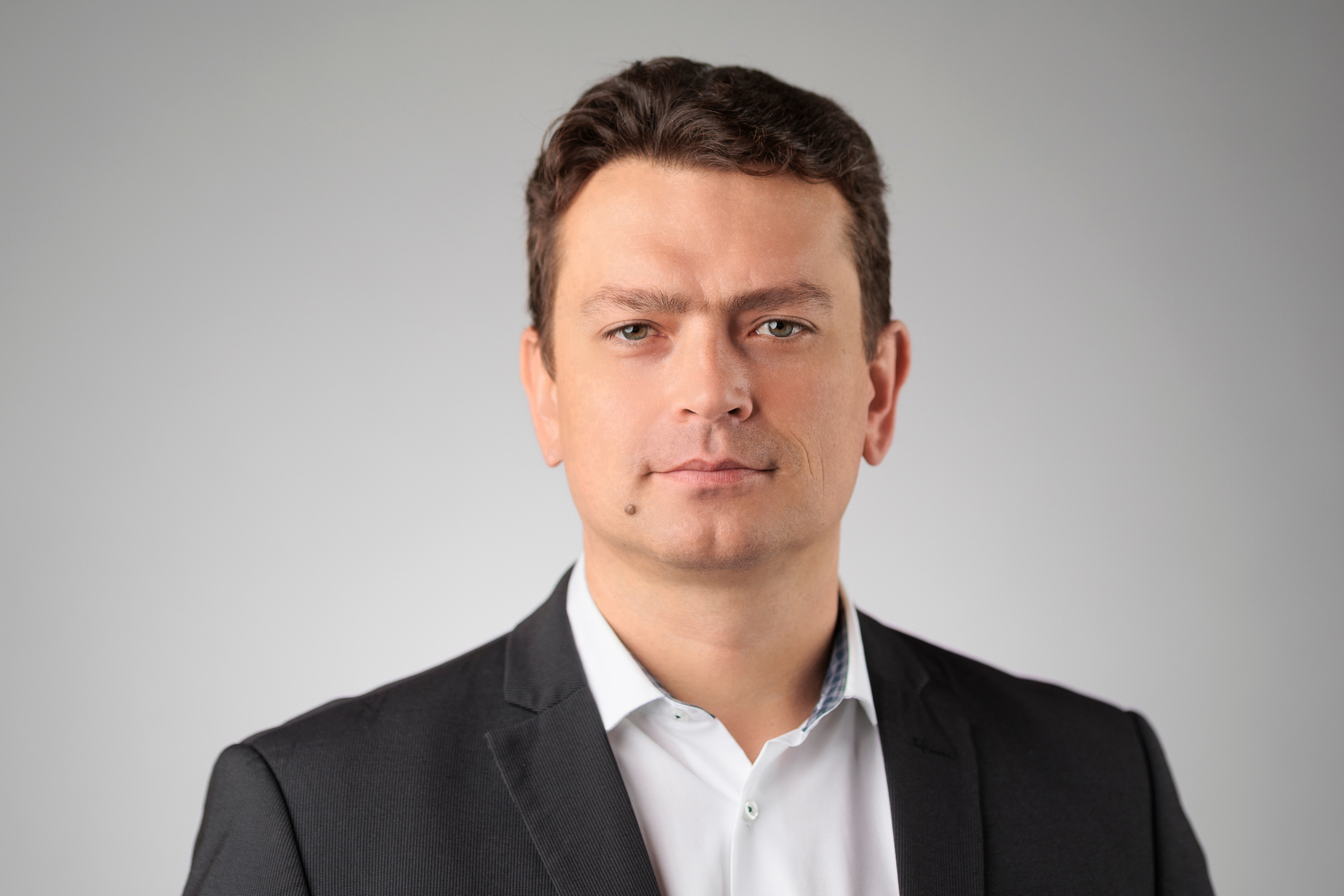
Sergiy Smetana
Prof. Dr. Sergiy Smetana works as a Head of Food Data Group at the German Institute of Food Technologies (DIL e.V.) since 2017 and as Professor of Food System Analysis at TiHo (University of Veterinary Medicine Hannover) since 2023. During his carrier he worked in University of Vechta (Germany), Georgia Institute of Technology (Atlanta, USA) and Institute of Nature Management Problems (Ukraine). The focus of his research is sustainability assessment of innovative food processing technologies, alternative protein sources and data analysis of complex food systems.

Julian Deventer
Julian is an ecologist and climate scientist currently serving as an impact analyst for a Germany based organic food brand. In his work with followfood Julian studies the environmental impacts of food production and consumption across various commodities and global supply chains, including agriculture, aquaculture, capture fisheries, manufacturing, and retail. Julian deploys life cycle assessment and geospatial data analysis to inform stakeholders and consumers. He is contributing to various international research projects, educational programs and sectoral working groups on impact measurement, climate mitigation, and reporting efforts within the agri-food sector.
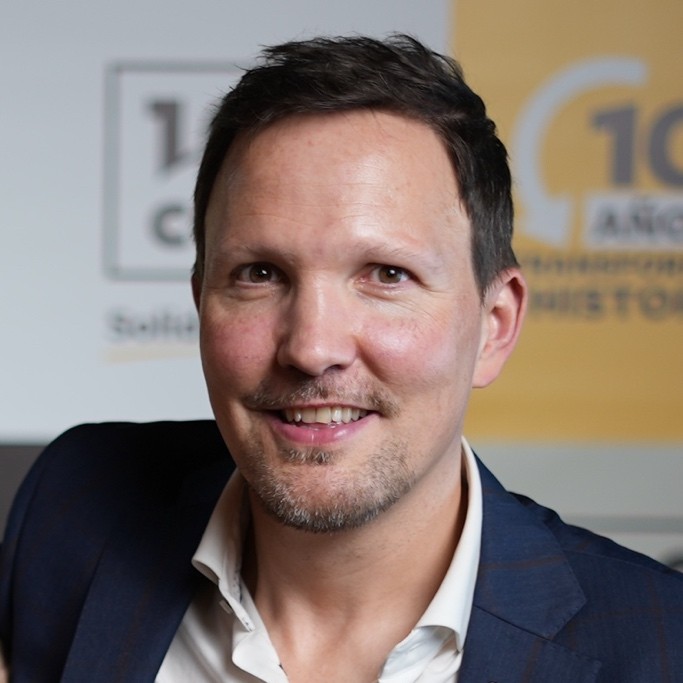
Joel Brounen
Joel Brounen brings over 20 years of experience in key food supply chains such as palm oil, sugar cane, cocoa, coffee, milk, and beef, providing deep expertise in food production and the farming landscape. His work focuses on sustainability standards and policies, helping FMCG companies, processors, and producers align sustainability practices with industry requirements and shape information systems defining EU legislative standards for agricultural production. He has contributed to several publications on the business case for investing in supply chain sustainability, market transformation, and environmental externalities. Known for successfully digitalizing farm-level sustainability data across agro supply chains, Joel is passionate about combining non-spatial and spatial data sources to improve the quality, availability, and accessibility of food footprint data. With a background in International Economics from the University of Utrecht and Sustainability Leadership from the University of Cambridge, Joel currently leads Solidaridad´s office in Colombia.
Peter Paul van de Wijs
Peter Paul van de Wijs is a leading independent sustainability consultant and trusted voice at the intersection of sustainability, communications, and government affairs.
With more than 25 years of global experience, he has helped leading businesses and non-profits navigate complex challenges, protect reputations, and deliver results that meet rising societal expectations. He recently stepped down as the Chief Policy Officer of the Global Reporting Initiative (GRI) where he was responsible for is for driving the adoption of the GRI Standards by into rules and regulations set by (national) policy makers and capital markets around the world. Prior to that he has led high-profile advocacy, branding, and media initiatives at World Business Council for Sustainable Development (WBCSD), and the LEGO Foundation, successfully repositioning organizations and forging innovative partnerships.
Earlier in his career, Peter Paul has held various international positions in communications, sustainable development, government affairs and issues management at The Dow Chemical Company, including leading its global sustainability reporting efforts. He holds a degree in Communications from the College for Economic and Business Administration Studies in Eindhoven, the Netherlands.
Urs Schenker
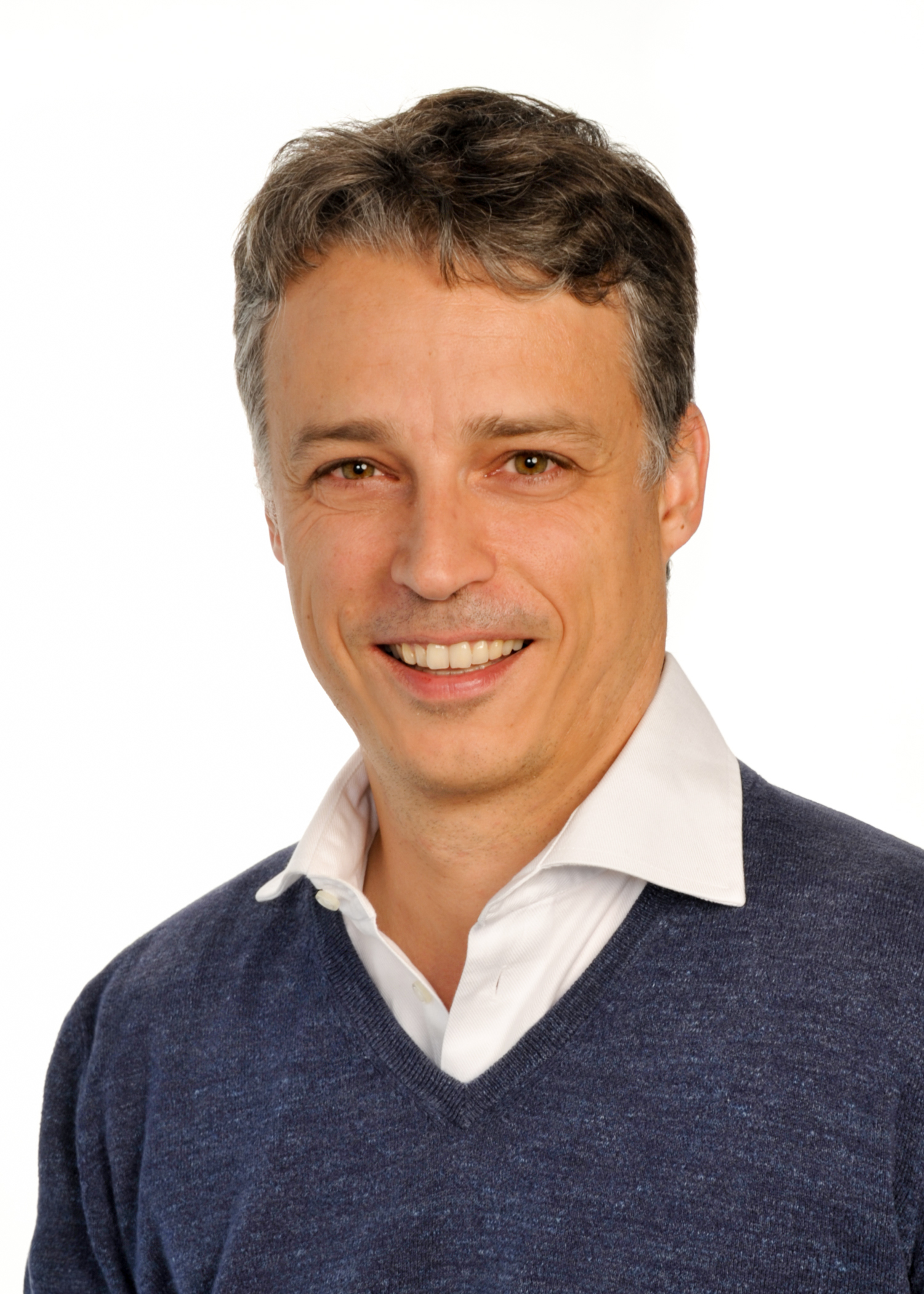
Urs Schenker holds a PhD in Environmental Chemistry from ETH Zurich and is an Expert in Sustainability Metrics at the Agricultural Sciences Institute, Nestlé R&D (Lausanne). He leads life cycle assessment (LCA), ecodesign, and greenhouse gas emissions reduction initiatives across packaging and agricultural production, supporting multiple business units as well as Nestlé at corporate level. He also has contributed as an external expert to international initiatives, including the UNEP/SETAC Life Cycle Initiative (AWaRe water-scarcity indicator), the One Planet Sustainable Food Systems Program biodiversity project, and the FoodDrinkEurope/Joint Research Centre Envifood Protocol. In collaboration with the World Business Council for Sustainable Development (WBCSD), he developed a program on the True Cost of Food that monetizes environmental and social impacts to enable comparability and highlight their relevance for value creation.
Gregory Peters
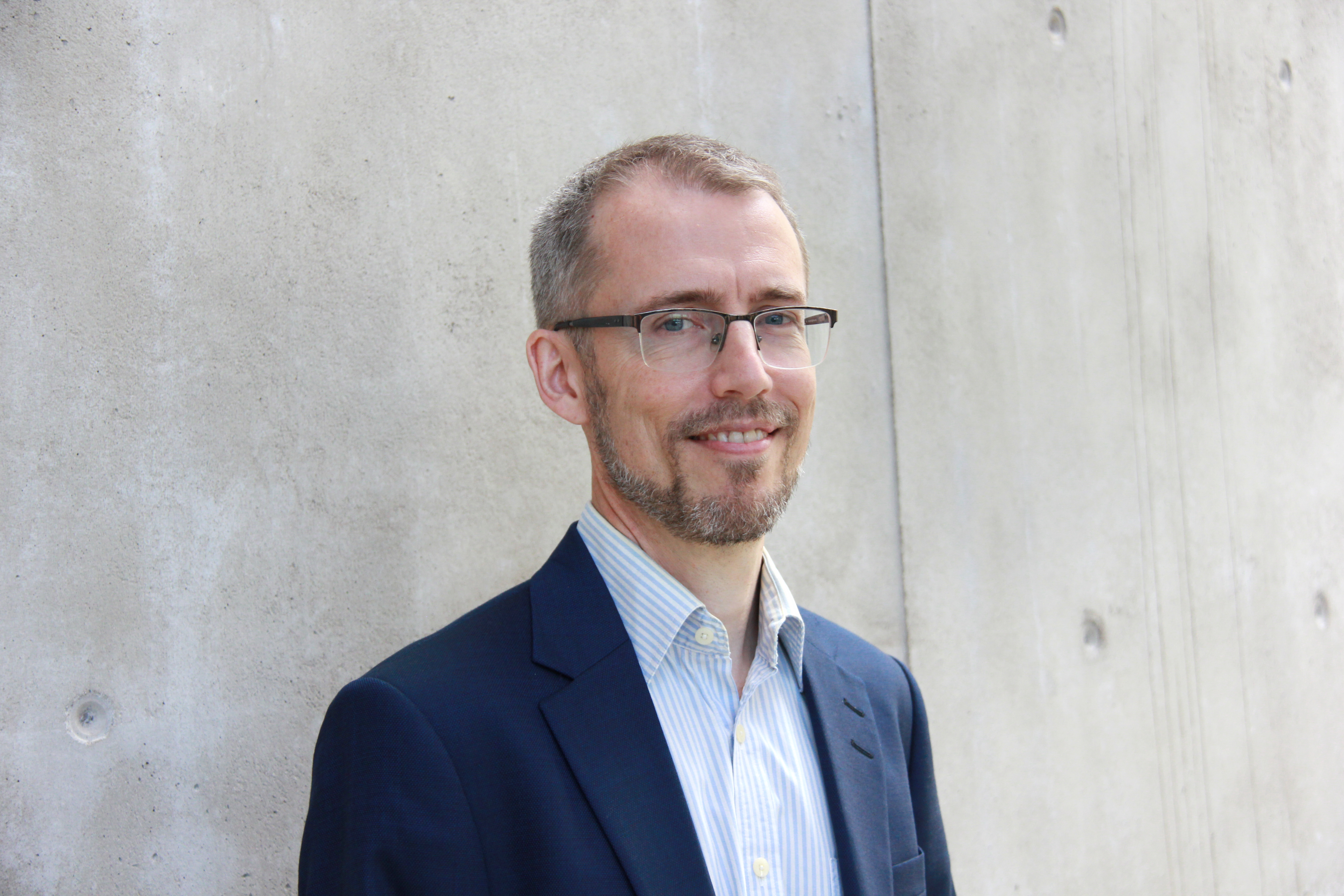
Greg Peters is the Scientific Director of the Swedish Life Cycle Center and Professor of Quantitative Sustainability Assessment in the Department of Environmental and Energy Sciences at Chalmers University of Technology, Sweden. He works with a range of industries from fashion to food, applying his training as a chemical engineer and environmental chemist when using tools like life cycle assessment, risk assessment and multicriteria analysis. He has contributed to the development of methods for life cycle impact assessment and to the IPCC’s global greenhouse gas inventory guidelines. His research on food systems has focused on protein production from cattle, sheep, salmon, herring and catfish. He has also published work on managing and valorising food waste from the aquaculture and dairy industries.
Paula Serrano
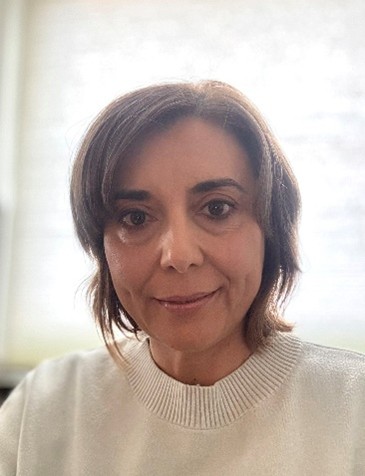
Paula Serrano is the Supply Chain Manager for Consumer-packaged Food at Inter IKEA, where she plays a key role in shaping efficient, resilient, and sustainable supply chains for a 600 million Euro business across 63 markets. With deep expertise in demand planning, end to end supply chain development, and cross functional collaboration, she contributes to building smarter, more cost-effective supply flows that secure product availability while minimizing environmental impact. Her work bridges strategy and execution, ensuring that insights, data, and operational capabilities align to support both business performance and long-term sustainability goals.
Throughout her career, Paula has worked closely with retail, sales, production, and logistics teams, driving improvements in forecasting accuracy, digital process development, and supply chain transparency. She believes in a holistic, integrated approach to supply systems; one that centers efficiency, ethics, and environmental responsibility.
As a member of the GreenGrocer Advisory Group, Paula brings her practical industry perspective and hands on experience in supply chain operations to support the project’s mission of strengthening food system sustainability through robust data, improved modelling, and transparent supply chain insights. Her contributions help bridge the gap between high quality research and real-world implementation, ensuring that the project’s tools and methodologies are both impactful and applicable across diverse supply chain contexts.
Advisory Group Forum
The Advisory Group has a private Forum website at https://www.globescanforum.com/greengrocer-ag/.
This Forum offers:
- Point of contact for AG members to receive updates on the project
- Documentation and news updates such as newsletters to be shared here
- All AG members will have a login to access the portal to receive more sensitive information regarding the project
- FAQs document hosted here